
The Importance of Peer Review
The peer review process ensures that scientists are held accountable by their peers, based on experience and expertise, thus maintaining scientific rigour, reproducibility and integrity.
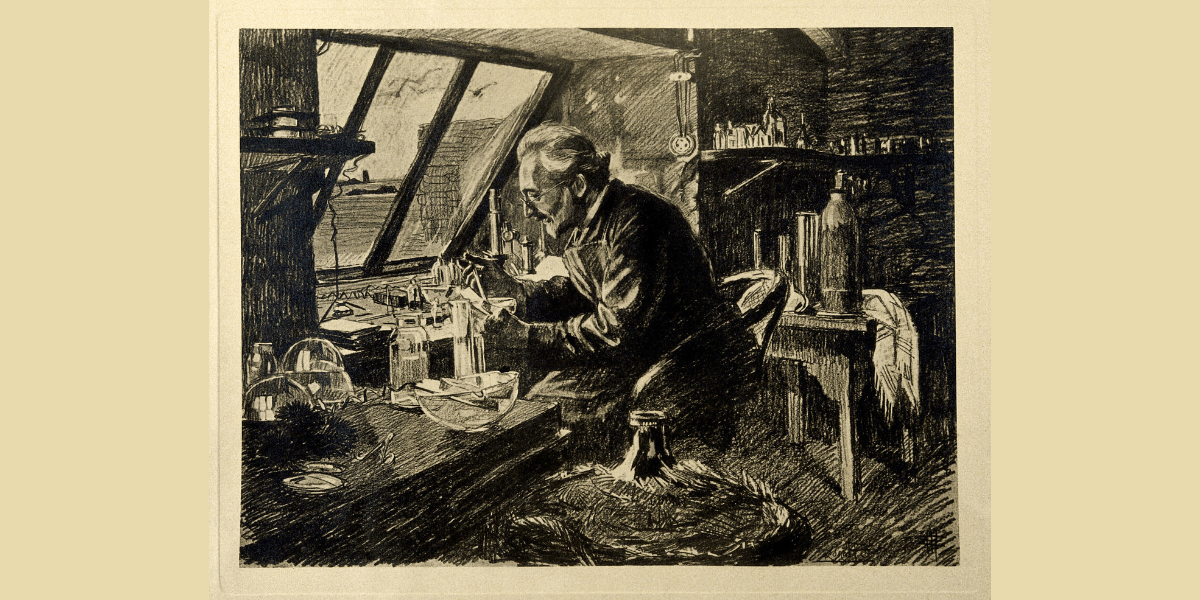
The “gold standard” of science publishing
Peer review has long been considered the best system for ensuring the high standard expected of scientists who wish to publish their work. The peer review process ensures that scientists are held accountable by their peers, based on experience and expertise, thus maintaining scientific rigour, reproducibility and integrity. In theory, this should mean that the science published is of the highest possible standard… but this is often not the case.
What’s the problem?
Well, there are a few sticking points in the peer review process that can cause lapses in the quality of the science being published, but it boils down to the same thing that makes peer review so important - the reviewers are HUMAN.
Across many fields there are chronic shortages in reviewers available. This causes long delays in review turnover as the reviewers available are over-worked, resulting in reviewer fatigue.
Human error can lead to errors or fraudulent science going undetected, or unconscious biases creeping in and influencing the decisions made. This is why having multiple reviewers is incredibly important.
Peer reviewers are also unpaid and uncredited for their efforts. This lack of incentive further compounds the issues mentioned above, leading to further lapses in judgement and delays in review submissions.
So what?
The scientific publication process (and scientific progress as a whole) is slowed down by the pace and quality of the peer review process, leading to frustration and wasted time and money - this makes the gold standard seem a little less shiny!
What’s the solution?
Some of the obvious solutions this problem are to incentivise the peer reviewers that are currently working, both by paying them for their time, and by crediting them for their rigour. One way of allowing this is to make reviews public rather than anonymous. This adds another layer of accountability as not only is the scientific author being held accountable by the reviewers, but the reviewers themselves are also being held accountable for responsible, transparent and rigorous critique.
Another way in which this issue can be alleviated is to increase the pool of reviewers available, thus spreading the load and reducing reviewer fatigue. This requires scientists and experts in their field to be knowledgable, practiced and confident in the art of reviewing scientific manuscripts.
That’s where Paperstars comes in!
We are not a peer-review platform, but we are a space for scientists and researchers to practice breaking down a paper and rating it based on specific step-by-step criteria. The papers reviewed on the site will accrue a Paperstars rating that is an indicator of the QUALITY of the science, regardless of citation count. If one would like more practice or in-depth instruction, don’t worry - we have one covered!
From the library of Paperstars, Parsible is an app that we have designed to help you dissect the individual components of a paper, with examples and practice exercises. We hope this helps you build understanding and confidence when it comes to rating and reviewing a paper. And who knows, some of our users may be future peer reviewers in the making!